History · 2009-2013 · archived 2026
A reading club, thirty cities, twenty-nine papers.
nosqlsummer started in 2009 as a distributed reading club for the foundational papers of NoSQL and distributed databases. This site is an act of preservation: the original archive, re-read for 2026.
What this is
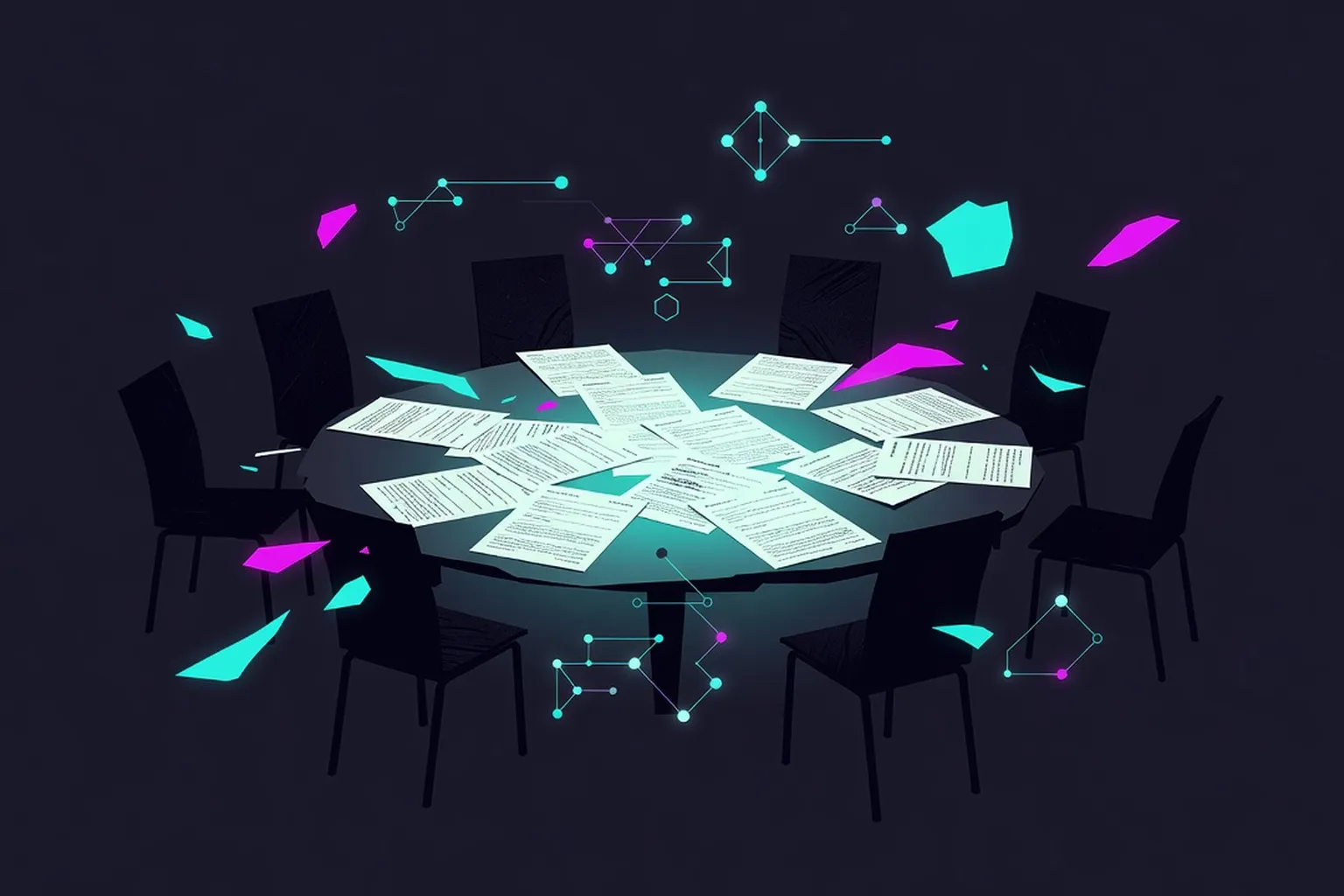
Between 2009 and 2013, engineers in thirty cities met to read the same papers in the same weeks. The reading list was deliberately classical: Codd's 1970 relational model, Lamport on time and clocks, Gray on the transaction concept, Dean & Ghemawat on MapReduce, the Dynamo paper, the Cassandra paper, the LSM-tree, CRDTs, the CAP theorem.
Twenty-nine papers in total. Ranging from 1970 to 2011. The club ended; the website went dark. In 2026 we rebuilt it, paper by paper, with annotations that connect each idea to the systems engineers actually run today — and to the AI era that came after.
How to read this site
Every paper has its own page. We open with the original abstract (cited verbatim from the Wayback Machine capture of August 2013). Then four sections: why this paper matters, key contributions,impact on modern systems (2024-2026), and — for the modern reader — AI era: how LLMs and vector databases relate to this paper.
The blog covers what came after the papers: vector databases, event sourcing, FoundationDB, CAP revisited, choosing a NoSQL system in 2026.
The thirty cities
The original meetups happened in:
Amsterdam · Atlanta · Bangalore · Barcelona · Berlin · Boston · Brussels · Chicago · Cologne · Dublin · Hamburg · Helsinki · Lisbon · London · Madrid · Melbourne · Munich · New York · Paris · Prague · San Francisco · Seattle · Singapore · Stockholm · Sydney · Tokyo · Toronto · Vienna · Warsaw · Zurich
Who runs this
nosqlsummer.org is part of a small independent network of editorial websites. We have no affiliation with any database vendor and no advertising. The papers are linked to their original publishers or open-access mirrors wherever possible.
License & attribution
Original abstracts are quoted under fair-use academic citation. All annotations, blog articles, and images are CC BY 4.0. The original 2009-2013 nosqlsummer.org content is archived at theInternet Archive.
The 2009-2013 timeline in detail
In the early years of the 21st century, the database landscape underwent a seismic shift. By 2009, the NoSQL movement was at its zenith, fueled by the publication of landmark papers like Google's BigTable in 2006 and Amazon's Dynamo in 2007. These game-changing technologies opened the floodgates for a wave of innovation, with Apache Cassandra being open-sourced in 2008. At tech conferences and within startup circles, there was a palpable excitement around abandoning traditional relational databases like MySQL in favor of these new, distributed systems that promised to handle massive data loads more efficiently.
NoSQL Summer was born in this fervent environment, emerging as an informal reading club inspired by the success of "papers-we-love" meetups. A reading list was curated, and enthusiasts from around the globe self-organized into local groups, spanning 30 cities worldwide. Each city would follow the same list, creating a shared experience and a sense of belonging that transcended geographical boundaries.
The format of these gatherings was straightforward yet effective. Local meetups, typically lasting around two hours, centered on a single paper per session. Presentations were optional, but spirited discussions were mandatory. Google Groups served as the primary means of coordination, with Google Docs acting as repositories for shared notes. The reading pace was generally set at one paper per week, although individual groups adjusted this to suit their members' schedules.
The peak years of NoSQL Summer, 2010 to 2011, coincided with a period when distributed systems were the most dynamic and exciting topic in the tech industry. Engineers from diverse backgrounds — from early-stage startups to tech behemoths like Google, Yahoo, and Amazon — were united in their quest to understand these revolutionary ideas. By 2012-2013, the hype cycle had matured. Cassandra had become the de facto choice for many, HBase had achieved stability, and Redis was ubiquitous. By the end of 2013, NoSQL Summer's online presence faded into obscurity, leaving behind a static archive of papers and a testament to the 30 cities that had embraced the movement.
The papers we read
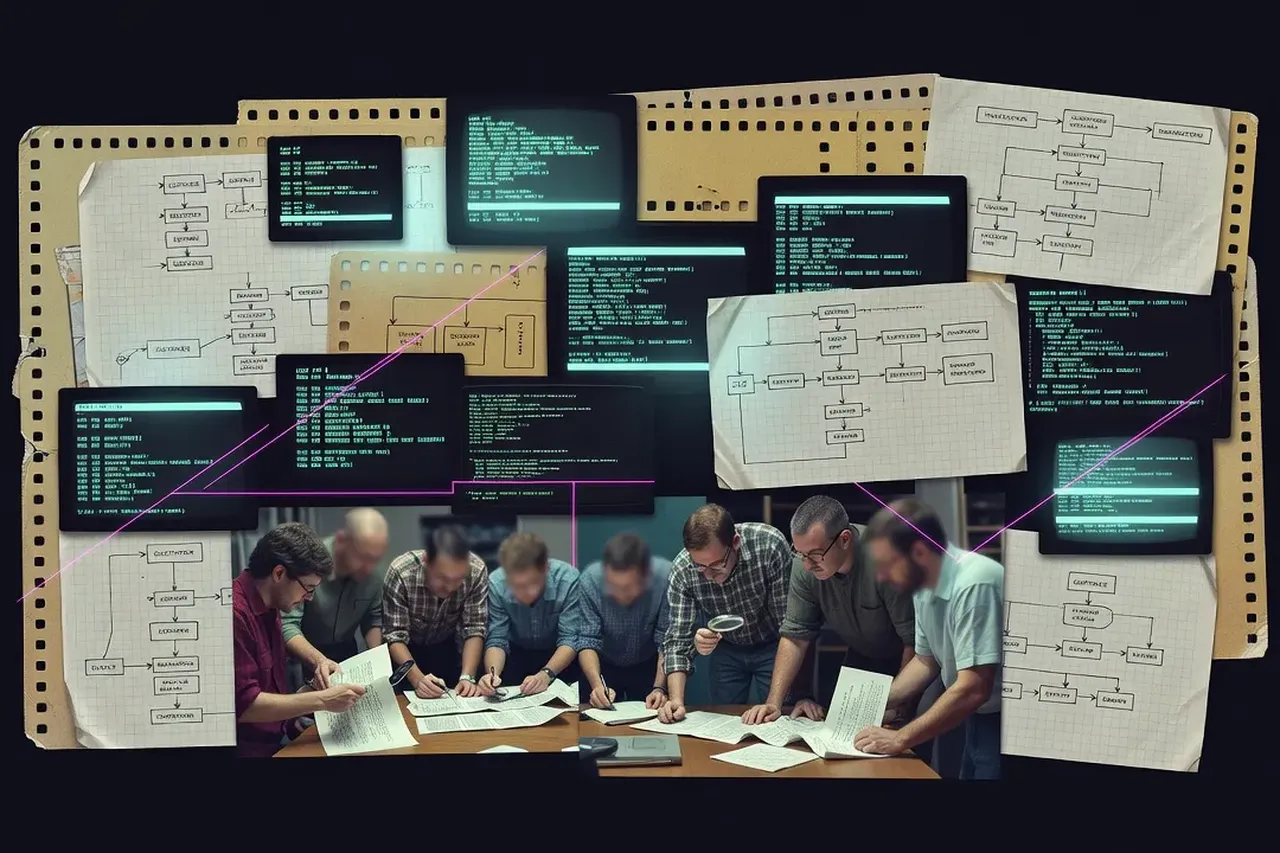
The selection of the 29 papers for NoSQL Summer was anything but arbitrary. These papers were curated to form a coherent intellectual history that charts the evolution of data management systems over four decades. The journey begins with E.F. Codd's seminal work on the relational model, and culminates in the exploration of CRDTs and eventually consistent systems, marking the end of the nosqlsummer era.
Three criteria guided the selection process. First and foremost was influence — the chosen papers needed to have spawned entire categories of systems or theories that shaped the field. The second criterion was accessibility: the papers were selected for their ability to be understood by practicing engineers, even those without a PhD in distributed systems. Finally, the papers needed to provide temporal coverage, spanning from the 1970s to 2011 without leaving significant gaps.
Choosing which papers to exclude was perhaps the most challenging task. Notable absences include Google Spanner (published in 2012, after the club effectively ended) and Raft (2014). These omissions reflect the timeline constraint and the focus on capturing the essence of the NoSQL Summer era.
Two papers deserve special mention as entry points. The Amazon Dynamo paper stands out as the most approachable of the landmark papers — it elucidates engineering trade-offs in plain language, offering invaluable lessons for every distributed systems engineer. Meanwhile, Paxos Made Simple represents a canonical example of a complex topic distilled into an accessible form. Lamport's work was well-known but often misunderstood until he simplified his own earlier work, making it a must-read for anyone delving into consensus algorithms.
Why we rebuilt this in 2026
The original NoSQL Summer website, archived in the Wayback Machine, serves as a time capsule of a transformative era in data systems. In 2026, we decided to resurrect this archive, using the August 2013 snapshot as a source for all 29 abstracts, reproduced verbatim. This revival is timely, as the current AI era echoes many of the debates that defined the nosqlsummer era.
Key discussions from the past have found new relevance today. The classic trade-off between consistency and availability is now central to the design of vector stores and distributed AI inference systems. Fault tolerance, once exemplified by the Byzantine Generals problem, is now a critical issue in blockchain consensus and distributed machine learning training. The Log-Structured Merge-tree (LSM-tree), once a curiosity, is now the storage engine under RocksDB, underpinning virtually every vector database. CRDTs, once an academic interest, are now crucial for collaborative editing and managing distributed AI agent state.
The new site features an annotation framework, with each paper receiving a dedicated page that includes five sections. Of particular interest is the "AI era" section, which explicitly maps ideas from 1970-2011 to the systems of 2026, offering a bridge between past innovations and current challenges.
In rebuilding nosqlsummer.org, we embraced the best open-source tools available. The site runs on Astro, with pnpm handling package management, and a static deployment stack ensuring scalability and reliability. softaid.net maintains a curated list of open-source software for production environments, reflecting our commitment to leveraging community-driven technologies.
How to contribute
NoSQL Summer's revival is a collaborative effort, and we welcome contributions from the community. If you spot an error in an abstract, we encourage you to verify it against the Wayback Machine capture. Should the error be on our part, please open a GitHub issue so we can address it promptly.
For those who wish to share their insights, the blog is open to guest posts. We invite thoughtful contributions that adhere to our format: a minimum of 2500 words, following the structure of existing articles. Submissions will undergo peer review by our editorial team, ensuring they meet our standards for future publication.
We maintain a strict policy of editorial independence. No spam, promotional content, or vendor pitches will be tolerated. The integrity of nosqlsummer.org as an independent platform for learning and discussion is paramount.